
Modern architecture requires materials that can balance appearance, durability, weight, and installation efficiency. Aluminum composite ACM has become a widely used material for building façades, interior walls, commercial spaces, signage, and other architectural applications.
ACM, or aluminum composite material, consists of aluminum skins bonded to a lightweight core. This composite structure provides a combination of rigidity and relatively low weight, making it suitable for projects where designers need a clean architectural surface without relying on heavy solid materials.
From contemporary commercial buildings to retail interiors and residential developments, aluminum composite materials provide considerable flexibility in both design and fabrication.
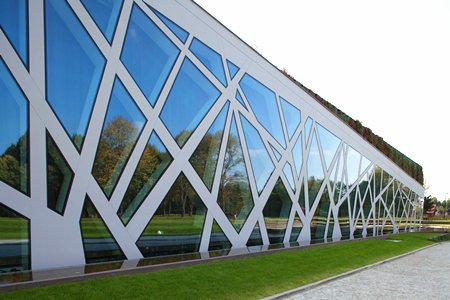
What Is Aluminum Composite ACM?
Aluminum composite ACM is a type of architectural panel made by bonding aluminum sheets to a central core. The resulting panel combines the surface characteristics of aluminum with the lightweight properties of the composite structure.
The outer aluminum surface can be finished in a variety of colors, textures, and decorative effects. This allows ACM panels to adapt to different architectural styles, from minimalist white façades to metallic commercial exteriors and wood-effect decorative walls.
For buyers comparing different aluminum-based materials, it is also useful to understand the relationship between ACM and acm aluminum. The terms are often used in closely related product categories, although the exact construction and specifications can vary between manufacturers.
Key Benefits of Aluminum Composite ACM
Lightweight Construction
One of the main advantages of aluminum composite panels is their relatively low weight compared with many solid cladding materials.
This makes panels easier to transport, handle, cut, and install. For large architectural projects, material weight can have an impact on logistics and installation planning.
The lightweight construction can also provide designers with more flexibility when developing façade systems, although the complete structural and fixing requirements still need to be evaluated for each project.
High Design Flexibility
Architecture increasingly uses materials as part of the building’s visual identity. ACM panels are available in a wide range of colors and surface finishes, allowing designers to create different visual effects.
Panels can be used individually or combined with glass, stone, timber, concrete, and other materials.
Contrasting colors can highlight entrances and architectural features, while a single finish can create a more uniform façade.
Easy Fabrication
Aluminum composite panels can generally be cut, drilled, routed, folded, and fabricated into different shapes.
This makes them useful for architectural areas that require customized dimensions or details around windows, doors, columns, corners, and other building elements.
Fabrication flexibility can also reduce the need to rely entirely on standard panel sizes.
Common Applications of Aluminum Composite ACM
Building Façades
Exterior façades are one of the most recognizable applications for aluminum composite materials.
ACM panels can create clean and continuous architectural surfaces while allowing designers to introduce different colors, panel sizes, and joint patterns.
For exterior applications, product selection should take into account weather exposure, coating performance, panel thickness, aluminum skin thickness, core material, wind loads, and the requirements of the installation system.
Interior Wall Cladding
Aluminum composite ACM is also suitable for selected interior wall applications.
It can be used for reception areas, feature walls, corridors, retail interiors, office spaces, showrooms, and other commercial environments.
The wide range of available finishes makes it possible to coordinate wall surfaces with furniture, flooring, lighting, and branding elements.
Retail and Commercial Design
Retail spaces often require materials that provide strong visual impact while remaining practical to fabricate.
ACM panels can be used for display backgrounds, branded walls, counters, entrances, decorative columns, and other interior elements.
Because the material is available in many colors and finishes, it can be adapted to different brand identities and interior concepts.
Signage and Advertising
The flat surface and fabrication flexibility of ACM also make it suitable for signage.
Panels can provide a base for lettering, printed graphics, logos, and other visual elements. Their relatively lightweight construction can simplify the fabrication and installation of many signage structures.
Choosing the Right ACM Panel
Not every aluminum composite panel is suitable for every application. Buyers should evaluate several technical specifications before placing an order.
Panel Thickness
Panel thickness should be selected according to the intended application and installation system.
Interior decorative applications may have different requirements from exterior façades. Large panels and areas exposed to significant wind loads may require a different specification.
It is therefore important to consider panel thickness together with panel dimensions, support spacing, fixing methods, and project conditions.
Aluminum Skin Thickness
The aluminum skins contribute to the panel’s rigidity and fabrication characteristics.
Two panels with the same overall thickness can have different aluminum skin specifications and therefore different performance characteristics.
When comparing suppliers, buyers should request complete technical specifications rather than relying only on total panel thickness.
Core Material
The core is another important component of aluminum composite ACM.
Different core materials can provide different levels of rigidity and fire performance. For commercial, public, or high-rise projects, the appropriate fire-performance specification should be determined according to applicable building regulations and project requirements.
Relevant technical documentation and certifications should be checked before purchasing.
Surface Finishes for Aluminum Composite ACM
Surface appearance is an important reason why ACM is widely used in architecture.
Solid Colors
Solid colors are suitable for clean and minimalist façades. White, gray, black, blue, and other colors can be selected according to the architectural concept.
Metallic Finishes
Metallic finishes can create a more contemporary appearance and are often used for commercial buildings, office façades, and feature areas.
Wood-Effect Finishes
Wood-effect ACM can provide the visual character of timber while using a lightweight composite panel construction.
This type of finish can be used to introduce warmth and contrast into otherwise modern architectural designs.
Special Decorative Finishes
Depending on the manufacturer, ACM panels may also be available in stone-effect, brushed-metal, high-gloss, matte, and other decorative surfaces.
The selected finish should be appropriate for the intended environment and maintenance requirements.
Aluminum Composite ACM and Cost Considerations
The price of ACM panels depends on multiple factors rather than panel size alone.
Important variables can include aluminum skin thickness, total panel thickness, core material, coating system, color, surface finish, order quantity, fabrication requirements, and transportation.
When comparing quotations, buyers should make sure that different suppliers are offering equivalent specifications.
A low initial price may represent a different panel construction or coating system, so technical specifications should always be compared alongside the quoted price.
For larger projects, it may also be useful to calculate the total installed cost rather than focusing exclusively on the material price.
Installation Considerations
Proper installation is essential to achieving the intended appearance and performance of an ACM system.
Before installation, contractors should check the wall substrate and supporting structure. Panel dimensions should be measured accurately, and the fixing system should be selected according to the project requirements.
Joints should also be considered during the design stage. Their width, direction, and layout can significantly affect the appearance of the completed façade.
Corners, window openings, doors, and transitions between different materials require particular attention because poor detailing can create visible defects.
Professional fabrication and installation can help reduce material waste and improve overall panel alignment.
Maintenance and Long-Term Performance
The maintenance requirements of aluminum composite ACM depend largely on the application and surface finish.
For interior applications, regular cleaning can generally help maintain the appearance of the panels. Soft cleaning materials and suitable cleaning solutions should be used according to manufacturer recommendations.
Exterior panels may require periodic cleaning due to exposure to dust, pollution, rain, and other environmental conditions.
Regular inspection can also help identify damaged panels, loose fittings, deteriorated sealants, or other problems before they become more serious.
ACM Compared With Other Cladding Materials
Architects can choose from many different façade and wall-cladding materials, including solid aluminum, stone, glass, ceramic products, fiber cement, and other composite materials.
The main appeal of aluminum composite ACM is its balance between relatively low weight, design flexibility, fabrication convenience, and architectural appearance.
However, the material should not be selected based on these characteristics alone. Each project has different structural, environmental, fire-safety, aesthetic, and budget requirements.
For projects requiring a composite aluminum cladding system, buyers can compare the specifications of an acp aluminum composite panel with other available panel constructions before making a final decision.
Final Considerations
Aluminum composite ACM provides architects and contractors with a flexible material for modern façades, interior walls, commercial spaces, signage, and decorative applications.
Its lightweight construction, fabrication flexibility, and wide range of surface finishes make it suitable for many architectural designs. However, the correct product specification is essential for achieving reliable long-term performance.
Before purchasing, buyers should evaluate panel thickness, aluminum skin thickness, core material, coating system, surface finish, fire-performance requirements, environmental exposure, installation method, and total project cost.
By comparing products on both aesthetic and technical specifications, architects, contractors, and building owners can select an ACM panel that is appropriate for the specific requirements of their project.