
A clean and modern building appearance often starts with the right façade and wall material. A white aluminium panel is a popular choice for architects, contractors, and designers who want a bright, contemporary surface combined with lightweight construction and practical performance.
White panels can be used across a wide range of architectural applications, from exterior building façades to interior feature walls, commercial spaces, retail stores, offices, and residential projects. Their neutral appearance also makes them easy to combine with glass, stone, wood, concrete, and metal elements.
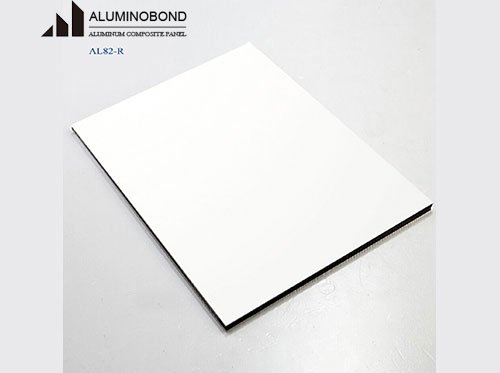
What Is a White Aluminium Panel?
A white aluminium panel is an aluminum-based architectural panel featuring a white surface finish. Depending on the product construction, it may be manufactured as a solid aluminum panel or as a composite panel with aluminum skins and a lightweight core.
The white finish provides a clean visual appearance and can help create a simple, contemporary architectural style. It can also be combined with darker colors to create contrast or used across a large façade to produce a consistent appearance.
For projects that require lightweight composite construction, designers may also compare different acm aluminum materials according to panel structure, thickness, surface finish, and application requirements.
Why Choose a White Aluminium Panel?
Clean and Contemporary Appearance
White is one of the most versatile colors in architectural design. A white aluminium panel can make a building appear clean, bright, and visually modern.
It works particularly well with large areas of glazing and dark window frames. Architects can also combine white panels with gray, black, metallic, or wood-effect materials to create different visual effects.
For minimalist architecture, white panels can provide a simple background that allows other architectural elements to stand out.
Lightweight Construction
Compared with many traditional façade materials, aluminum panels can offer a relatively lightweight solution.
This makes transportation, handling, cutting, and installation more convenient. For large-scale projects, reducing material weight can also simplify logistics and installation planning.
However, the appropriate panel specification should always be determined according to the building structure, fixing system, panel dimensions, wind loads, and other project requirements.
Flexible Design Options
A white aluminium panel does not have to be limited to a completely flat façade.
Aluminum panels can be fabricated into different dimensions and shapes depending on the product construction and fabrication method. They can be used around windows, doors, columns, corners, entrances, and other architectural features.
This flexibility allows designers to create both simple façade systems and more complex geometric designs.
Applications of White Aluminium Panel
Exterior Building Façades
One of the most common applications is exterior wall cladding.
A white façade can create a bright and professional appearance for office buildings, commercial properties, residential developments, schools, hotels, and other architectural projects.
For exterior use, buyers should pay particular attention to coating durability, weather resistance, panel construction, and installation details. The material should be selected according to the environmental conditions of the building.
Interior Wall Cladding
White aluminum panels can also be used for interior walls. They are suitable for reception areas, corridors, retail interiors, offices, showrooms, and feature walls.
A white surface can make an interior feel visually open and provide a neutral background for furniture, lighting, signage, and decorative elements.
In commercial environments, the panel specification should also take into account cleaning requirements and expected levels of daily use.
Retail and Commercial Spaces
Retail stores often require a combination of attractive appearance and practical maintenance.
White panels can be used for display backgrounds, branded walls, counters, columns, entrances, and decorative architectural features.
Because white works with many other colors, it provides designers with flexibility when changing displays or updating the interior design.
Residential Architecture
Modern residential projects may also use aluminum panels for selected exterior and interior applications.
They can be used around balconies, entrances, feature walls, garage areas, and other architectural details. White is particularly suitable for contemporary residential designs that emphasize simple lines and clean surfaces.
Surface Finish and Durability
The surface finish is an important consideration when purchasing a white aluminium panel.
Exterior panels are exposed to sunlight, rain, dust, humidity, and temperature changes. Therefore, the coating system should be selected according to the intended environment.
A good-quality surface finish should provide appropriate resistance to weathering and help maintain the appearance of the panel over time.
For interior applications, appearance and ease of cleaning may be more important considerations.
Buyers should also ask suppliers for technical information about the coating system rather than selecting a panel based only on its color.
How to Select the Right White Aluminium Panel
Several factors should be evaluated before making a purchase.
Panel Thickness
Panel thickness should be selected according to the application and installation system.
Interior decorative walls may have different requirements from large exterior façades. Larger panels, longer spans, and areas exposed to higher wind loads may require a different specification.
Instead of selecting a thickness based solely on price, buyers should consider the complete installation system and project requirements.
Aluminum Skin Thickness
For composite panels, the thickness of the aluminum skins affects rigidity, fabrication characteristics, and overall performance.
When comparing products, buyers should examine both the total panel thickness and the aluminum skin thickness.
Core Material
For aluminum composite panels, the core material is another important consideration.
Different core types can have different mechanical and fire-performance characteristics. Projects should select the appropriate core according to local building regulations, building height, application, and project specifications.
For buildings with specific fire-safety requirements, the relevant technical documentation and certifications should be verified before purchase.
White Aluminium Panel and Project Cost
Price is naturally an important consideration when choosing architectural materials. However, the initial panel price is only one part of the total project cost.
Buyers should also consider fabrication, transportation, installation, accessories, fixing systems, maintenance, and potential replacement costs.
Panel specifications can have a significant effect on the final budget. For example, buyers comparing composite panel products may research the 4mm acp sheet price to understand how panel thickness affects material costs.
It is important to compare quotations on the same technical basis. A lower price does not necessarily represent the same product specification, coating system, aluminum skin thickness, or core material.
Installation Considerations
Proper installation is essential for achieving a consistent finished appearance.
Before installation, the substrate should be checked for alignment and suitability. Accurate measurements are also important because poorly measured panels can result in uneven joints, excessive material waste, and visible inconsistencies.
Panel joints should be incorporated into the design rather than treated as an afterthought. The spacing and direction of joints can influence the overall appearance of the façade.
Corners, window openings, doors, and transitions between different materials also require careful detailing.
Professional fabrication and installation can help maintain panel alignment and reduce the risk of visible defects.
Maintenance of White Aluminium Panel
One advantage of white aluminum panels is that routine maintenance can be relatively straightforward.
Dust and general surface contamination can normally be removed using appropriate cleaning methods recommended by the manufacturer. Non-abrasive materials and suitable cleaning solutions should be used to avoid damaging the coating.
Exterior façades may require periodic cleaning depending on local environmental conditions. Buildings located in areas with high levels of dust, pollution, or other contaminants may require more frequent maintenance.
Regular inspection can also help identify damaged panels, loose fittings, sealant problems, or other issues at an early stage.
White Aluminium Panel vs. Other Architectural Materials
Different materials provide different combinations of appearance, weight, durability, cost, and installation requirements.
Compared with natural stone, aluminum panels can provide a much lighter cladding solution. Compared with painted wall surfaces, panels can offer a more structured architectural finish. Compared with some traditional metal materials, aluminum provides good flexibility for fabrication and architectural detailing.
However, material selection should always be based on the specific requirements of the project.
The most appropriate solution depends on factors such as building type, location, façade design, expected service life, fire requirements, maintenance conditions, and budget.
Final Thoughts
A white aluminium panel can provide a clean, versatile, and contemporary solution for modern architectural projects. Its neutral appearance works across different design styles, while aluminum construction provides flexibility for fabrication and installation.
For exterior applications, buyers should focus on coating durability, weather resistance, panel construction, and structural requirements. For interior projects, appearance, maintenance, fabrication, and design flexibility may be more important.
When comparing products, it is also important to look beyond the surface color. Panel thickness, aluminum skin thickness, core material, coating system, and installation method can all influence the final performance and cost of the project.
By evaluating these factors before purchasing, architects, contractors, and building owners can select a white aluminum panel that matches both the visual concept and technical requirements of the building.