
When planning a building façade project, understanding the facade ACP sheet price is an important step in estimating material costs and selecting the right cladding solution. Aluminum composite panels (ACP) are widely used in commercial buildings, retail spaces, offices, and residential developments because they combine lightweight construction with versatile design options.
However, ACP panels are available in different thicknesses, core materials, coatings, and finishes. These specifications can significantly affect pricing. Comparing products based only on the price per sheet may lead to an inaccurate budget or a panel that does not meet the project’s requirements.
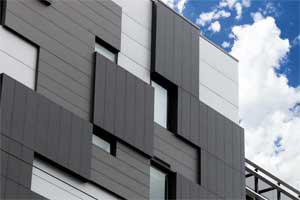
What Is the Average Facade ACP Sheet Price?
There is no single price for all façade ACP sheets. The final cost depends on product specifications, order quantity, supplier location, transportation, and project requirements.
Standard decorative panels may have different pricing from products designed for demanding exterior environments or projects with specific fire-performance requirements. Custom colors, special finishes, and non-standard dimensions can also increase costs.
For an accurate quotation, buyers should provide suppliers with the intended application, required panel dimensions, thickness, aluminum skin thickness, finish, quantity, and delivery destination.
Main Factors That Affect Facade ACP Sheet Price
1. Panel Thickness
Panel thickness is one of the first specifications to consider when evaluating facade ACP sheet price. ACP products are available in different overall thicknesses to suit various applications.
Thicker panels may offer greater rigidity in certain configurations, but overall thickness alone does not determine performance. Buyers should also check the aluminum skin thickness, core composition, and manufacturer’s technical specifications.
The appropriate thickness should be selected according to the façade design and installation system rather than price alone.
2. Aluminum Skin Thickness
ACP panels typically consist of two aluminum skins bonded to a central core. The thickness of these skins affects material consumption, fabrication characteristics, and panel performance.
Products with thicker aluminum skins may cost more because they use more aluminum. When comparing quotations, confirm that suppliers are offering equivalent aluminum skin specifications rather than comparing products with different constructions.
3. Core Material and Fire Performance
Core material is another important factor influencing price. Different ACP products are designed for different applications, and some projects require enhanced fire performance to comply with local building regulations.
Fire-rated products may have different material compositions, testing requirements, and manufacturing costs. Buyers should verify the applicable fire classification and request valid test reports or certification documentation where required.
The cheapest option may not be suitable if it fails to meet the building’s fire-safety requirements.
4. Surface Coating and Finish
The coating affects the panel’s appearance, weather resistance, and color retention. Common finishes include solid colors, metallic effects, high-gloss surfaces, matte finishes, and decorative patterns.
White panels are frequently used in contemporary architectural designs because they create a clean, neutral appearance. Buyers comparing an acp sheet white product with other finishes should confirm the coating type, surface quality, and suitability for exterior exposure.
Special colors and customized finishes may involve additional production costs, particularly for smaller orders.
5. Order Quantity and Customization
Order volume can influence the quoted price per sheet. Larger orders may offer better unit pricing, depending on the supplier’s production schedule and commercial terms.
Custom dimensions, special colors, protective packaging, and specific fabrication requirements can increase the total cost. Buyers should clarify minimum order quantities, production lead times, and whether customized products require additional setup fees.
How to Compare ACP Sheet Quotations
A reliable price comparison requires consistent specifications. When requesting quotations, provide the same requirements to each supplier and check the following details:
- Overall panel thickness and aluminum skin thickness
- Core material and required fire-performance classification
- Coating type, color, and surface finish
- Sheet dimensions and total order quantity
- Packaging, shipping, taxes, and delivery terms
- Warranty conditions and technical documentation
It is also important to distinguish between the material price and the complete installed cost. Fabrication, supporting structures, fasteners, sealants, labor, and transportation may contribute substantially to the final project budget.
ACP Sheets Compared with Dibond Panels
Buyers researching façade materials may also encounter dibond panel products. Dibond is a recognized aluminum composite panel brand, while ACP is commonly used as a general term for aluminum composite panels.
When comparing products, focus on the actual specifications, intended application, surface finish, technical documentation, and supplier support. Brand names alone do not establish that two panels have identical performance or are suitable for the same building requirements.
For exterior applications, confirm that the selected product is specifically suitable for the intended exposure and complies with applicable local regulations.
Tips for Controlling Façade Cladding Costs
There are several practical ways to manage a façade budget without compromising essential performance.
First, finalize the design and panel specifications before requesting quotations. This reduces the risk of comparing incompatible products or changing materials during construction.
Second, calculate the required panel quantity carefully and account for cutting waste, corners, openings, and replacement materials. Third, evaluate the complete delivered cost rather than focusing exclusively on the quoted sheet price.
Finally, consider long-term maintenance and durability. A panel with a lower initial price may not provide the best overall value if its coating, construction, or technical performance is unsuitable for the project.
Conclusion
The facade ACP sheet price depends on several variables, including panel thickness, aluminum skin thickness, core material, coating, order quantity, and delivery costs. Fire-performance requirements and customized finishes can also influence the final quotation.
Before purchasing, compare suppliers using consistent technical specifications and verify that each product meets the project’s design and regulatory requirements. A careful evaluation of both material price and total installation cost helps buyers select an ACP façade solution that balances budget, appearance, and long-term performance.