
Aluminium composite panel wall cladding has become a popular choice for commercial, residential, retail, and public buildings. Combining a lightweight aluminum surface with a stable core material, these panels provide a practical balance of durability, appearance, and installation efficiency.
With a wide range of colors, finishes, and panel specifications available, aluminium composite panel wall cladding can be adapted to different architectural styles while providing reliable protection for exterior and interior walls.
What Is Aluminium Composite Panel Wall Cladding?
Aluminium composite panels are typically made from two thin aluminum skins bonded to a central core. The structure creates a rigid yet lightweight panel that is easier to handle than many traditional façade materials.
When used as wall cladding, ACP panels can be fabricated into flat panels, folded elements, columns, fascia, signage, and other architectural components. Their relatively low weight can also help simplify transportation and installation.
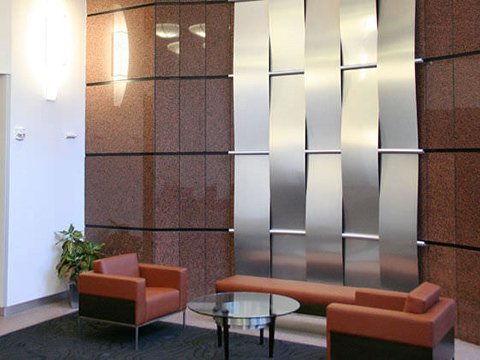
For interior projects, an acp wall panel can provide a clean and contemporary surface while offering flexibility in color, texture, and design.
Key Benefits of ACP Wall Cladding
Lightweight Construction
One of the main advantages of aluminium composite panel wall cladding is its lightweight construction. Compared with many solid façade materials, ACP panels are easier to transport, cut, drill, and install.
This can help reduce handling requirements and improve installation efficiency, particularly on large commercial projects.
Modern Appearance
ACP panels are available in a broad selection of colors and surface finishes. Common options include solid colors, metallic finishes, wood effects, stone effects, and high-gloss surfaces.
This variety allows architects and designers to create consistent exterior façades or combine multiple finishes to produce more distinctive designs.
Weather Resistance
Exterior-grade ACP products can provide protection against common environmental conditions, including sunlight, rain, moisture, and temperature changes. The performance of the finished wall system depends on the panel specification, coating, installation method, and local climate.
For demanding exterior applications, it is important to select panels with coatings and core materials appropriate for the intended environment.
Easy Fabrication
Aluminium composite panels can be cut, routed, bent, and folded into different shapes. This fabrication flexibility makes them suitable for both simple flat façades and more complex architectural designs.
Applications of Aluminium Composite Panel Wall Cladding
Aluminium composite panel wall cladding is commonly used in commercial buildings, office façades, shopping centers, hotels, restaurants, residential developments, and public facilities.
For commercial façades, ACP can create a consistent architectural appearance across large wall surfaces. Retail and hospitality projects often use decorative finishes to strengthen their visual identity.
The panels can also be used for entrance features, parapets, columns, canopies, and other architectural details. Interior applications include reception areas, corridors, feature walls, ceilings, and retail displays.
How to Choose the Right ACP Panels
Several factors should be considered before selecting an ACP wall system.
Panel Thickness
Panel thickness affects rigidity, weight, fabrication, and overall performance. Common thicknesses vary according to the application, so the appropriate specification should be selected based on the building design and installation system.
Aluminum Skin Thickness
The thickness of the aluminum skins can influence panel strength and fabrication characteristics. Exterior applications may require a different specification from lightweight interior decorative applications.
Core Material
The core is another important consideration, particularly for projects where fire performance is a major requirement. Depending on the building type and local regulations, different core options may be available.
Always verify the manufacturer’s technical documentation and required fire-performance classification before selecting a product.
Surface Coating
The coating affects color retention, weather resistance, and overall appearance. For exterior projects, a coating designed for outdoor exposure is generally preferable.
Installation Considerations
Proper installation is essential to achieve the expected performance of aluminium composite panel wall cladding. The supporting structure should be correctly aligned, and panel joints should allow for appropriate movement and drainage.
Fabrication should also be carried out according to the manufacturer’s recommendations. Incorrect cutting, routing, fixing, or sealing can affect both appearance and long-term performance.
For larger projects, the cladding system should be coordinated with insulation, waterproofing, structural elements, and other parts of the building envelope.
Maintenance and Long-Term Performance
ACP cladding generally requires relatively simple maintenance. Regular cleaning can help remove dust, dirt, and other surface contaminants.
The recommended cleaning method depends on the coating and environmental conditions. Harsh chemicals or abrasive tools should be avoided unless specifically approved by the manufacturer.
Periodic inspection of joints, fasteners, sealants, and other connections can also help identify potential problems before they become more serious.
Why Consider ACM Panelling?
When comparing different metal cladding solutions, acm panelling can also be considered for projects requiring lightweight construction, contemporary aesthetics, and flexible fabrication.
The best choice depends on the building’s location, design requirements, fire-performance requirements, panel specification, budget, and installation method.
Final Thoughts
Aluminium composite panel wall cladding offers a versatile solution for modern architectural projects. Its lightweight structure, broad range of finishes, fabrication flexibility, and relatively simple maintenance make it suitable for many exterior and interior applications.
However, choosing the right panel requires more than selecting a color or surface finish. Panel thickness, aluminum skin thickness, core material, coating, fire performance, and installation system should all be evaluated according to the specific project requirements.
With the correct specification and professional installation, ACP wall cladding can provide a durable and visually consistent architectural finish for both commercial and residential buildings.