
When searching for dibond panels for sale, buyers often compare product quality, panel specifications, surface finishes, and prices. Dibond panels are widely used in commercial signage, advertising displays, interior decoration, and selected architectural applications because of their lightweight construction and fabrication flexibility.
However, not all aluminum composite panels have the same specifications. Understanding the differences can help buyers select suitable products and avoid unnecessary purchasing costs.
What Are Dibond Panels?
Dibond is a recognized brand of aluminum composite material. Its panels generally consist of two aluminum sheets bonded to a central core, creating a lightweight and relatively rigid structure.
This construction makes the panels easier to handle and fabricate than many solid metal alternatives. They can be cut, drilled, routed, and shaped into different forms for various commercial and decorative applications.
When looking for dibond panels for sale, buyers should distinguish branded Dibond products from generic aluminum composite panels, as their materials, coatings, and technical specifications may differ.
Benefits of Dibond Panels
Lightweight and Rigid Construction
The composite structure offers a useful balance between weight and rigidity. This makes dibond panels suitable for signage, exhibition displays, and decorative installations where convenient handling is important.
Actual rigidity depends on overall thickness, aluminum skin thickness, core material, and installation conditions.
Smooth Surface and Attractive Appearance
Dibond panels provide a flat surface suitable for printed graphics, business signs, and decorative finishes. Available options may include white, black, metallic, and other colors.
Their consistent appearance makes them popular for storefront branding, retail displays, and professional advertising projects.
Easy Fabrication
These panels can be processed into different shapes and dimensions using appropriate equipment. Routing and folding techniques allow fabricators to create sign boxes, display structures, and customized components.
This flexibility helps meet different design requirements without relying on solid metal sheets.
Common Applications
Signage and Advertising
One of the most common uses of dibond panels is commercial signage. Applications include storefront signs, directional boards, exhibition graphics, promotional displays, and corporate branding.
Their smooth surfaces support various printing and finishing processes. For outdoor signs, buyers should select products suitable for the expected weather conditions.
Interior Decoration
Dibond panels can also be used in offices, retail stores, reception areas, and exhibition spaces. Their lightweight construction and range of finishes make them useful for decorative wall surfaces and customized installations.
For projects requiring decorative finishes, timex decor acp sheet is another product option worth comparing.
Architectural Applications
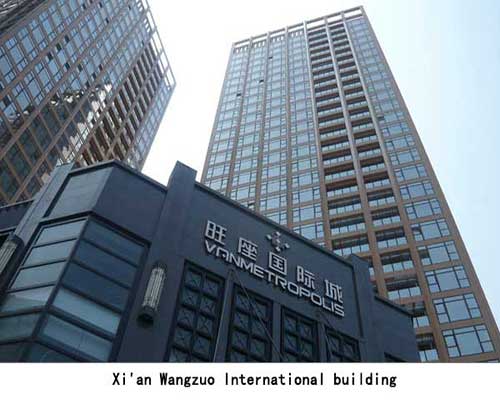
Aluminum composite panels may be used for building façades, entrance features, columns, and decorative exterior elements. However, panels designed for signage are not automatically suitable for building cladding.
For exterior projects, aluminum facade panels should be evaluated according to weather resistance, structural requirements, fire performance, and local building regulations.
What to Check Before Buying Dibond Panels
Before purchasing, buyers should review several important specifications.
Panel thickness: Overall thickness influences rigidity, weight, and fabrication characteristics. Select a specification appropriate for the intended application.
Aluminum skin thickness: The thickness of the aluminum layers affects material consumption and panel properties. Compare this detail when reviewing supplier quotations.
Core material: Different core compositions are available for different applications. Projects with specific fire-safety requirements should request verified technical documentation.
Surface coating: Consider color, gloss level, weather resistance, and printing compatibility.
Dimensions and quantity: Confirm sheet sizes, available customization, minimum order quantities, and production lead times.
How to Compare Suppliers and Prices
When comparing dibond panels for sale, request quotations based on identical technical specifications. This makes it easier to evaluate differences in product quality and cost.
Ask suppliers for technical data sheets, product samples, warranty conditions, and relevant test reports. For international orders, also consider packaging, freight, delivery time, and other applicable charges.
The lowest quoted price is not always the most economical option. Product suitability, quality consistency, and supplier support can influence long-term value.
Installation and Maintenance
Proper installation helps maintain panel appearance and performance. Use suitable cutting tools, fixing methods, and supporting structures according to manufacturer recommendations.
For exterior installations, consider joint design, drainage, weatherproofing, and thermal movement as part of the complete system.
Regular cleaning with suitable products can help remove dirt and surface contaminants. Avoid abrasive tools and harsh chemicals unless approved by the manufacturer. Periodically inspect fixings and joints to identify maintenance needs.
Conclusion
Dibond panels offer a versatile solution for signage, advertising, interior decoration, and selected architectural applications. Their lightweight construction, smooth surface, and fabrication flexibility make them suitable for many commercial projects.
When searching for dibond panels for sale, compare panel thickness, aluminum skin thickness, core material, surface finish, and supplier reliability. Checking technical documentation and total purchasing costs helps ensure that the selected panels meet both project requirements and budget expectations.