
When architects and designers need a combination of attractive appearance, lightweight construction, and reliable performance, aluminum composite panels are often considered for both interior and exterior applications. Among decorative ACP solutions, timex decor acp sheet is a practical option for projects that require a modern architectural finish without adding excessive structural weight.
Decorative aluminum composite panels are widely used in commercial buildings, residential developments, retail spaces, offices, hospitality projects, and other architectural environments. Their smooth surface, consistent appearance, and flexible fabrication make them suitable for creating both simple and highly customized designs.
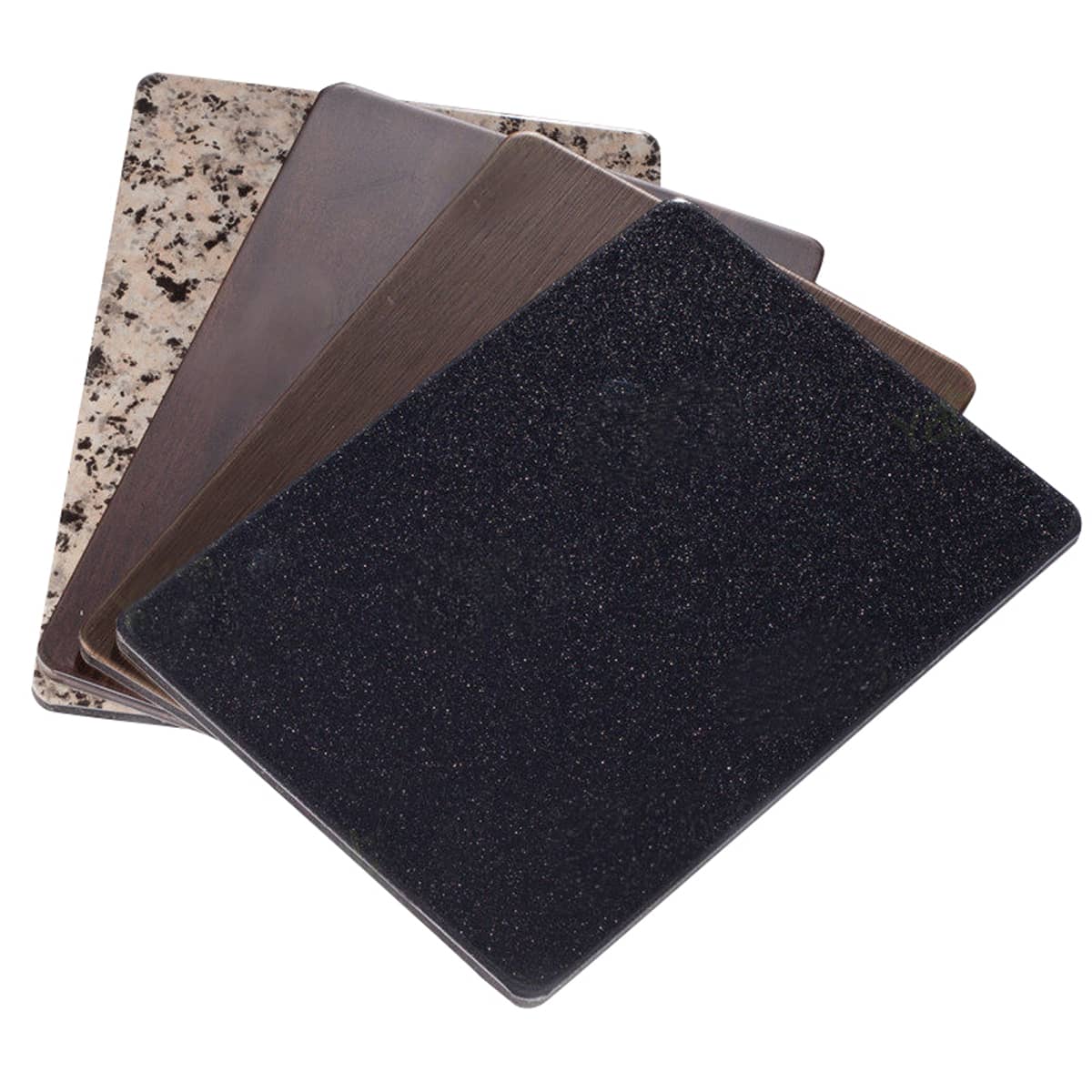
What Is Timex Decor ACP Sheet?
A Timex Decor ACP Sheet is an aluminum composite panel designed to provide both decorative appeal and functional performance. Like other ACP products, it generally consists of aluminum layers bonded to a lightweight core. The external aluminum surface can be finished with different colors, textures, and decorative effects according to the requirements of the project.
The main advantage of this type of panel is the balance between appearance and practicality. Compared with many traditional solid cladding materials, ACP sheets are relatively lightweight and can be cut, routed, bent, and fabricated into different forms.
This makes decorative ACP suitable for architects who want a clean façade or interior surface while maintaining flexibility during installation.
Key Features of Timex Decor ACP Sheet
One of the main reasons decorative ACP products are popular is their combination of visual consistency and functional characteristics.
1. Modern Decorative Appearance
The surface finish plays an important role in architectural design. Timex Decor ACP Sheet can be used to create contemporary façades, feature walls, signage backgrounds, ceiling details, and other decorative elements.
Depending on the available finish, designers can select colors and surface effects that complement the overall architectural concept.
2. Lightweight Construction
ACP panels provide a lightweight alternative to many conventional cladding materials. Lower panel weight can make handling and installation more convenient, particularly when large quantities of panels are required.
The lightweight structure can also simplify transportation and fabrication while reducing the physical effort required during installation.
3. Easy Fabrication
Aluminum composite panels can generally be processed using common fabrication techniques. Panels can be cut, drilled, routed, folded, and formed into different shapes.
This flexibility is particularly useful for projects containing columns, corners, curves, signage structures, or other architectural details where standard flat materials may be more difficult to work with.
4. Consistent Surface Finish
For large commercial and architectural projects, consistency between panels is important. A uniform decorative surface helps create a professional appearance across façades and interior spaces.
Proper material selection, handling, and installation are still essential to maintain consistent color and surface quality throughout the completed project.
Where Can Timex Decor ACP Sheet Be Used?
The versatility of decorative ACP makes it suitable for a wide range of applications.
Exterior Building Cladding
ACP sheets are frequently used for building façades and exterior architectural elements. They can create a clean, modern appearance while allowing designers to combine different colors, patterns, and panel layouts.
For exterior applications, however, buyers should pay close attention to the panel’s core material, aluminum skin thickness, coating system, and required weather resistance.
Interior Wall Cladding
Decorative ACP can also be used for interior walls in commercial and residential environments. It can provide a smooth and easy-to-maintain surface for reception areas, corridors, retail stores, offices, and other spaces.
For projects requiring a bright and clean interior appearance, designers may also consider acp sheet white as an alternative or complementary material.
Retail and Commercial Interiors
Retail stores often require materials that are visually attractive while remaining practical for installation and maintenance. ACP panels can be used for display walls, counters, decorative backgrounds, partitions, and branded architectural elements.
Different finishes can help businesses create a recognizable visual identity without relying entirely on heavier materials.
Signage and Advertising
The flat and smooth surface of ACP makes it suitable for signage applications. Panels can serve as backgrounds for printed graphics, lettering, logos, and other visual elements.
Their relatively low weight also makes them convenient for fabricating signage structures in commercial environments.
Ceiling and Decorative Features
ACP panels can be incorporated into selected ceiling systems and decorative structures. Their ability to be fabricated into different shapes provides designers with additional flexibility when creating architectural details.
How to Choose the Right ACP Sheet
Although appearance is an important consideration, decorative design should not be the only factor when purchasing ACP.
Panel Thickness
Panel thickness should be selected according to the intended application. Common thickness options are available for different architectural requirements, but the appropriate specification depends on the installation system, wind load, span, and structural conditions.
Exterior façades may require different specifications from interior decorative applications.
Aluminum Skin Thickness
The thickness of the aluminum skins affects the panel’s rigidity, fabrication characteristics, and overall performance. Buyers should evaluate aluminum skin thickness together with the total panel thickness rather than considering panel thickness alone.
Core Material
The core is another important factor. Different ACP cores can provide different levels of fire performance, rigidity, and application suitability.
For commercial and high-rise projects, the required fire performance should always be confirmed against local building regulations and project specifications.
Surface Coating
The coating determines much of the panel’s appearance and contributes to surface durability. Depending on the application, buyers may compare different coating systems based on UV resistance, weather resistance, color retention, and maintenance requirements.
Exterior applications generally require greater attention to long-term exposure to sunlight, rain, humidity, and temperature changes.
Timex Decor ACP Sheet vs. Traditional Decorative Materials
One of the advantages of ACP is that it can provide a decorative architectural surface without the weight associated with some conventional materials.
For example, designers may use ACP to achieve wood-inspired, metallic, solid-color, or other decorative effects while maintaining a relatively lightweight panel system.
However, ACP should not automatically be considered superior to every alternative. Material selection should depend on the building type, environmental conditions, fire requirements, budget, desired appearance, and installation method.
The goal is to choose a panel specification that provides the right balance between aesthetics, durability, safety, and cost.
Maintenance of Timex Decor ACP Sheet
Proper maintenance can help preserve the appearance of decorative ACP panels over time.
For most architectural applications, regular cleaning with suitable mild cleaning solutions and soft materials can help remove dust and surface contamination. Aggressive chemicals, abrasive tools, or inappropriate cleaning methods should be avoided because they may damage the coating.
Exterior panels may require more frequent cleaning in areas with heavy pollution, dust, or coastal exposure.
It is also useful to inspect joints, sealants, fixing systems, and panel edges periodically. Identifying installation-related problems early can help prevent more extensive damage later.
Why Decorative ACP Remains Popular
The popularity of decorative ACP comes from its ability to combine several requirements within one material system. Architects can obtain a modern surface finish while benefiting from lightweight construction and relatively straightforward fabrication.
For projects that use multiple colors, finishes, or architectural details, ACP also provides considerable design flexibility.
A project can use a darker decorative finish on the façade, lighter panels for interior areas, and contrasting colors for entrances or signage. This allows the same general material category to support different parts of an architectural design.
For example, a project may combine a decorative panel with a black acp sheet to create contrast between façade sections, window surrounds, or architectural feature areas.
Final Considerations
Choosing the right timex decor acp sheet requires more than comparing surface colors or prices. Buyers should evaluate the intended application, panel thickness, aluminum skin thickness, core material, coating system, fire-performance requirements, environmental exposure, and installation method.
For interior decorative projects, appearance and fabrication flexibility may be the primary considerations. For exterior façades, long-term weather resistance, structural requirements, coating durability, and fire performance become much more important.
With the correct specification and professional installation, decorative aluminum composite panels can provide a practical architectural solution for façades, interiors, signage, retail spaces, and other applications. The key is to select a panel that matches the technical requirements of the project while achieving the desired visual effect.