
Understanding the dibond 4×8 sheet price is essential when budgeting for signage, advertising displays, interior decoration, or architectural projects. A standard 4×8-foot sheet measures approximately 1220 × 2440 mm, making it a practical size for many commercial applications.
However, the price of a dibond sheet varies depending on its specifications, surface finish, order quantity, and supplier. Comparing these factors helps buyers identify suitable products without compromising quality or project requirements.
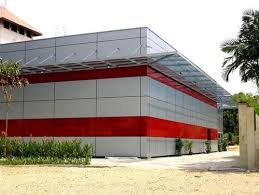
What Affects Dibond 4×8 Sheet Price?
1. Panel Thickness
Overall panel thickness is one of the main factors influencing dibond 4×8 sheet price. Aluminum composite panels are available in different thicknesses to accommodate various applications.
Thicker panels may offer greater rigidity in certain configurations, but overall thickness alone does not determine performance. Buyers should also consider aluminum skin thickness, core composition, and installation requirements.
For signage and decorative applications, the required specification may differ from that of an exterior cladding project.
2. Aluminum Skin Thickness
A dibond sheet typically consists of two aluminum skins bonded to a central core. The thickness of these aluminum layers affects material consumption, fabrication characteristics, and overall cost.
Panels with thicker aluminum skins may cost more because they use more aluminum. When comparing supplier quotations, confirm that the aluminum skin specifications are equivalent.
3. Core Material and Fire Performance
Core material is another important consideration. Different panel products are designed for different applications, and projects subject to fire-safety regulations may require specific fire-performance classifications.
Products meeting more demanding requirements may have different manufacturing costs and documentation requirements. Always verify the applicable classification and supporting test reports before purchasing panels for building applications.
4. Surface Finish and Color
Dibond sheets are available in various colors and finishes, including white, black, metallic, matte, and decorative options. Specialized finishes or customized colors may affect the final price.
A white aluminium panel can be suitable for clean, contemporary designs, commercial signage, and interior wall decoration. When selecting a white panel, check its surface quality, coating type, and suitability for indoor or outdoor use.
5. Order Quantity and Shipping
The quantity ordered can influence the unit price. Larger orders may qualify for more competitive pricing, depending on the supplier’s production arrangements and commercial terms.
Shipping costs are also important, particularly for international orders. Buyers should consider packaging, freight, customs duties where applicable, and delivery arrangements when calculating the total purchasing cost.
How to Compare 4×8 Dibond Sheet Quotations
To make a reliable comparison, provide each supplier with the same technical requirements. These should include:
- Sheet dimensions: 4 × 8 feet
- Overall panel thickness and aluminum skin thickness
- Core material and fire-performance requirements
- Color, coating, and surface finish
- Order quantity and delivery destination
- Packaging, lead time, and warranty conditions
Requesting quotations based on consistent specifications makes it easier to identify differences in product quality and total cost.
It is also important to distinguish the material price from the complete project cost. Cutting, fabrication, mounting hardware, supporting structures, labor, and installation may add substantially to the budget.
Dibond Sheets vs. ACP Cladding Materials
When researching building materials, buyers may also compare the acp cladding price of different aluminum composite panel products.
Although dibond sheets and other ACP products may share a similar composite structure, they are not automatically interchangeable. Some products are intended primarily for signage and displays, while others are specifically designed for architectural cladding.
Before choosing a product, verify its intended application, technical specifications, coating durability, and fire-performance documentation. For exterior projects, confirm that the selected material complies with applicable local building regulations.
Tips for Reducing Purchasing Costs
Several practical measures can help control the cost of a dibond sheet order.
First, finalize the panel specifications before requesting quotations. Frequent changes to thickness, color, or dimensions can complicate purchasing and production.
Second, calculate the required quantity carefully, allowing for cutting waste and replacement panels. Third, compare the total delivered cost rather than focusing only on the quoted price per sheet.
Finally, evaluate supplier reliability and product documentation. A low initial price may not represent good value if the product is unsuitable for the application or requires premature replacement.
Conclusion
The dibond 4×8 sheet price depends on panel thickness, aluminum skin thickness, core material, finish, order volume, and delivery costs. The intended application also determines which specifications are appropriate.
By comparing equivalent products, checking technical documentation, and accounting for transportation and installation expenses, buyers can make better purchasing decisions and select panels that balance cost, performance, and appearance.