
Understanding the aluminum composite panel cost per square foot is essential for architects, contractors, developers, and property owners planning construction or renovation projects. While pricing is often a major consideration, the final cost of a project depends on several factors beyond the material itself.
From panel thickness and surface coatings to installation complexity and project scale, multiple variables influence the overall investment. Knowing what affects pricing can help buyers make informed decisions and avoid unexpected expenses.
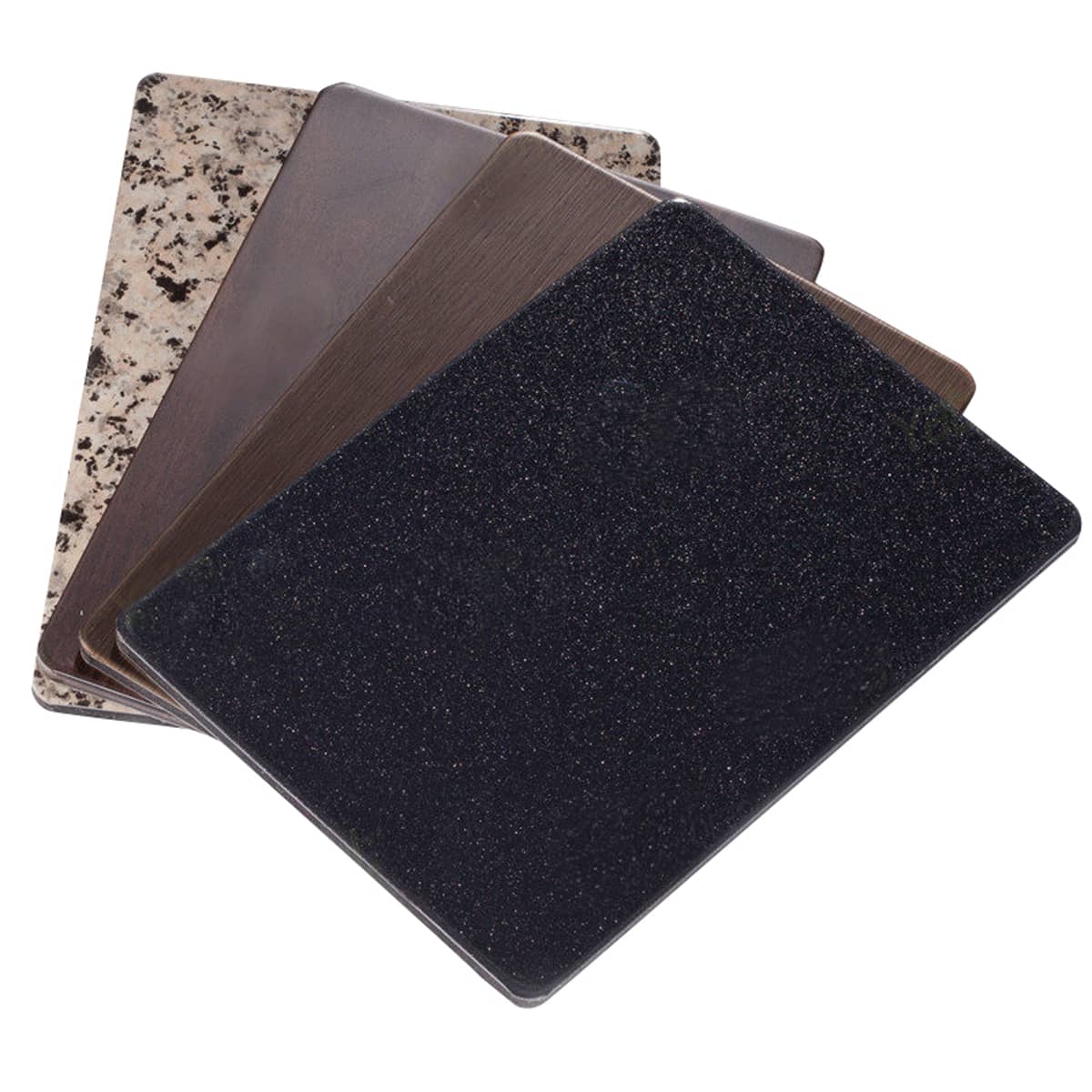
Why Cost Per Square Foot Varies
One of the most common questions from buyers is why pricing can differ significantly between projects. The answer lies in the specifications and requirements of each installation.
Factors that can affect the aluminum composite panel cost per square foot include:
- Panel thickness
- Surface coating type
- Fire-resistance requirements
- Project size
- Fabrication complexity
- Installation conditions
- Transportation expenses
Because every project has unique requirements, obtaining customized quotations is often the most accurate way to estimate costs.
Material Specifications and Pricing
The technical specifications of a panel directly influence its price.
Thicker panels generally require more raw materials and may provide greater durability for demanding applications. Similarly, premium coatings designed for long-term weather resistance can increase manufacturing costs.
Many buyers compare different panel systems to find the right balance between budget and performance. Products with higher-quality finishes often deliver better appearance retention and lower maintenance costs over time.
Installation Costs Matter Too
When evaluating pricing, it is important to consider more than just material expenses.
Installation can account for a significant portion of total project costs. Labor requirements, building height, structural design, and access conditions can all influence installation expenses.
A material with a slightly higher purchase price may actually reduce overall project costs if it simplifies installation or decreases maintenance requirements in the future.
Comparing Different Applications
The intended use of the material can also impact pricing.
Commercial office buildings, shopping centers, hotels, and transportation facilities often have different performance requirements than residential projects. Exterior installations may require enhanced coatings and additional durability, while interior applications may focus more on appearance and design flexibility.
As a result, the aluminum composite panel cost per square foot can vary depending on where and how the material will be used.
Finding Long-Term Value
Price is important, but value should remain the primary consideration.
A lower-cost product may initially appear attractive, yet it could result in higher maintenance expenses or earlier replacement needs. Durable materials that maintain their appearance over time often provide better long-term returns.
For this reason, experienced project managers typically evaluate lifecycle costs rather than focusing exclusively on initial purchase prices.
Comparing Products and Suppliers
Before making a purchasing decision, buyers should compare multiple suppliers and product specifications.
Key evaluation factors include:
- Product certifications
- Manufacturing quality
- Warranty coverage
- Surface finish options
- Technical support
- Delivery capabilities
Professionals researching panel solutions often compare alucobond panel products alongside other options to better understand differences in performance, design flexibility, and overall value.
At the same time, buyers frequently review information about acp panel sheet products when exploring available materials for architectural and construction projects.
Market Trends Affect Pricing
Like many construction materials, aluminum composite panels are influenced by market conditions.
Changes in aluminum prices, transportation costs, energy expenses, and manufacturing capacity can all impact quotations. Because these factors fluctuate throughout the year, pricing obtained several months earlier may no longer reflect current market conditions.
Requesting updated quotations before purchasing is therefore considered a best practice for large projects.
Conclusion
The aluminum composite panel cost per square foot depends on a variety of factors, including material specifications, installation requirements, project scale, and market conditions. While cost remains an important consideration, buyers should also evaluate durability, maintenance requirements, and long-term performance when comparing products.
By focusing on overall value rather than price alone, project owners can select solutions that deliver reliable performance and attractive architectural results for years to come.