
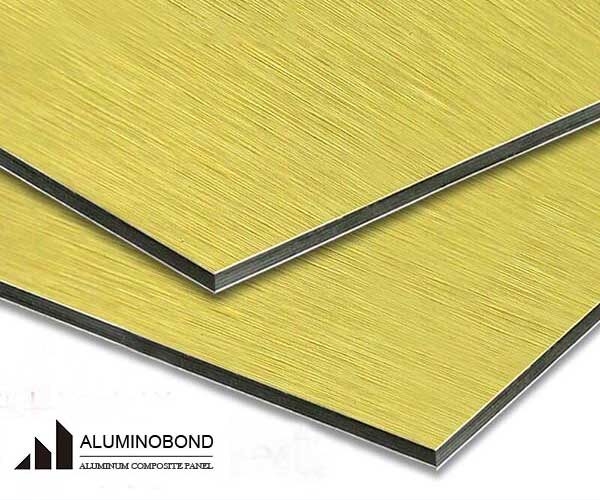
When planning a construction or renovation project, understanding the alco panel sheet price is an important part of budgeting. Prices can vary significantly depending on material specifications, panel thickness, coating type, and project requirements. Whether used for commercial facades, interior decoration, or signage applications, selecting the right panel involves more than simply comparing costs.
This guide explains the main factors that affect alco panel sheet price and how buyers can make informed purchasing decisions.
What Determines Alco Panel Sheet Price?
Several factors influence the final cost of ACP products. Understanding these variables can help buyers choose materials that balance quality and budget.
Panel Thickness
Thickness is one of the biggest pricing factors. Thicker panels generally offer better strength and durability but also come at a higher cost. Products designed for demanding exterior applications typically require greater thickness than interior decorative panels.
Surface Coating
Different coatings provide different levels of weather resistance. Panels designed for outdoor use often feature advanced coatings that protect against UV exposure, rain, and environmental pollutants. These premium finishes usually increase the overall alco panel sheet price.
Core Material
The core composition also affects cost. Standard polyethylene cores are commonly used for general applications, while fire-resistant cores are often required for commercial and public buildings. Enhanced safety performance typically results in higher pricing.
Manufacturing Quality
Production standards, certifications, and quality control processes all contribute to product value. High-quality panels generally deliver better long-term performance and appearance retention.
Comparing Different Applications
The intended application can have a significant impact on pricing.
For example, an aluminum composite panel price comparison for outdoor architectural projects may differ considerably from pricing for interior decorative installations. Exterior panels often require enhanced durability and weather resistance, which can increase manufacturing costs.
Similarly, projects involving large commercial buildings may require custom specifications, unique finishes, or additional certifications that affect the final budget.
Balancing Cost and Performance
Many buyers focus on obtaining the lowest possible price, but long-term value should also be considered.
A lower-cost product may initially reduce project expenses, but it could require more maintenance or replacement over time. Evaluating durability, appearance retention, and installation efficiency often provides a better measure of value than price alone.
Working with experienced suppliers can also help ensure that materials meet project requirements while avoiding unnecessary expenses.
Market Trends and Pricing Considerations
Raw material costs, transportation expenses, and manufacturing capacity can all influence market pricing. Because these factors change over time, buyers should request updated quotations before making purchasing decisions.
For large projects, obtaining multiple quotes and comparing product specifications can help identify the best combination of quality and cost.
In many cases, selecting a reliable manufacturer provides greater long-term benefits than focusing solely on the lowest available price.
Choosing the Right Supplier
When evaluating suppliers, consider the following factors:
- Product quality certifications
- Manufacturing experience
- Available panel finishes
- Technical support services
- Delivery capabilities
- Warranty coverage
A reputable supplier can help ensure consistent product performance and reduce potential project risks.
For buyers researching alternatives and market comparisons, reviewing aluminium composite panel price information can also provide useful insight into current industry pricing trends.
Frequently Asked Questions
Why does alco panel sheet price vary between suppliers?
Prices can differ because of panel specifications, coating quality, manufacturing standards, certifications, and shipping costs.
Does panel thickness affect pricing?
Yes. Thicker panels generally require more raw materials and often cost more than thinner alternatives.
Are exterior panels more expensive?
In many cases, yes. Outdoor applications typically require additional weather-resistant coatings and enhanced performance characteristics.
How can buyers reduce project costs?
Comparing specifications, requesting multiple quotations, and selecting products that match actual project requirements can help optimize costs without sacrificing quality.
Conclusion
Understanding alco panel sheet price involves more than comparing numbers. Panel thickness, coating type, manufacturing quality, and intended application all influence the final cost. By evaluating both price and long-term performance, buyers can select solutions that provide the best overall value for their projects while maintaining durability and visual appeal.